
Landscape Architecture and Garden Design in East Sussex
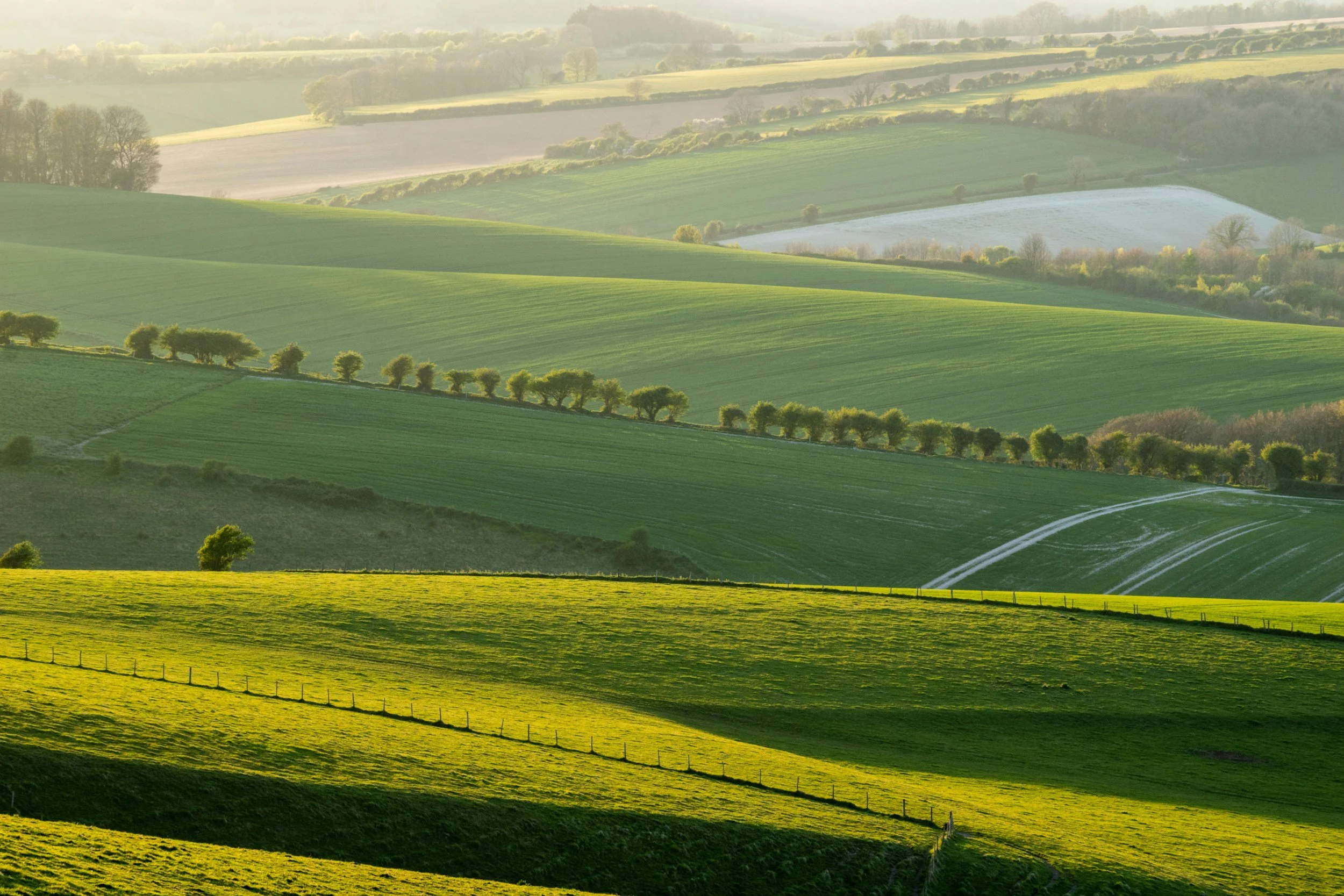
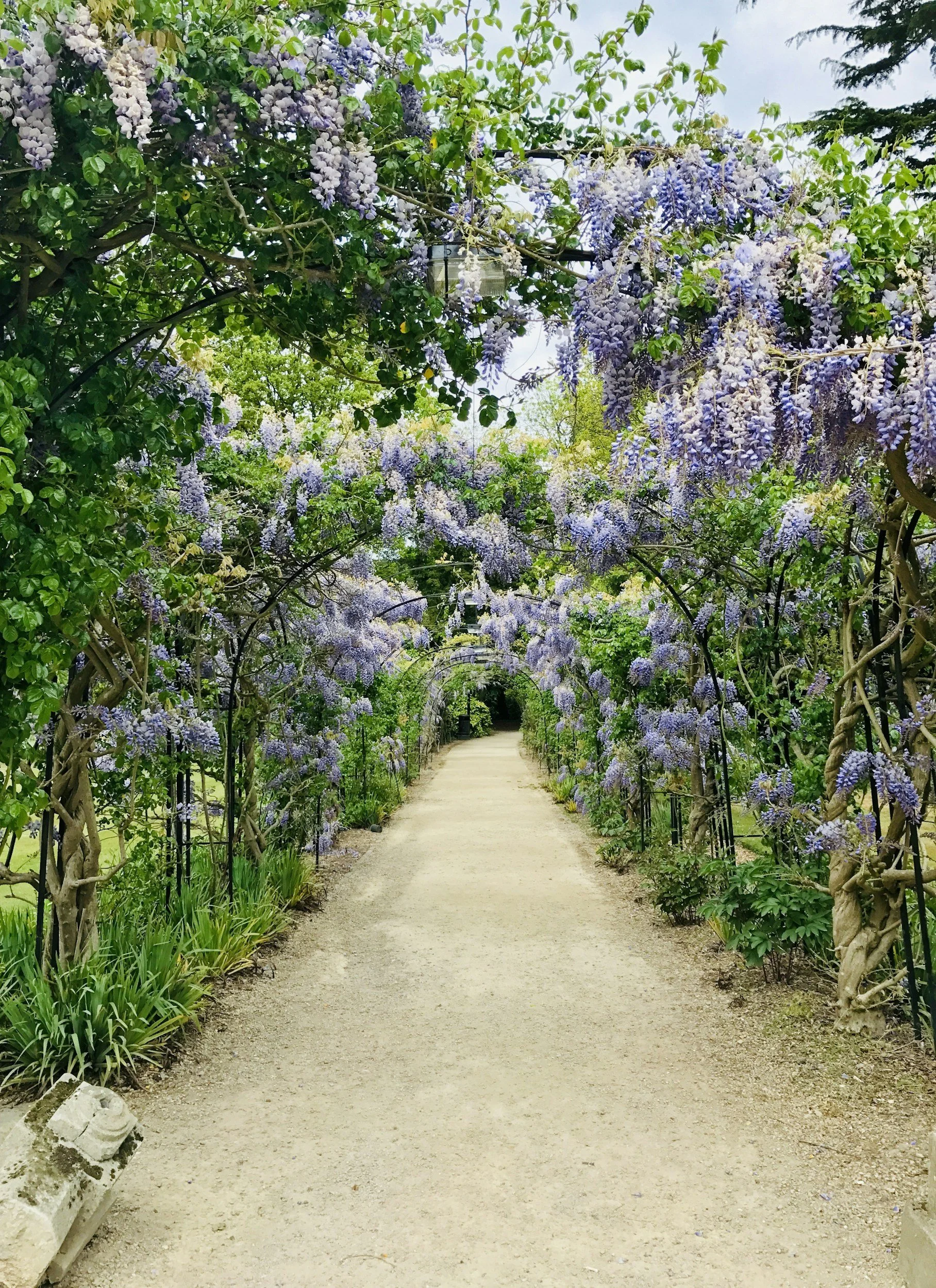
Designing a garden on the South Downs is not the same as designing one anywhere else. The soil is thin and alkaline, the wind carries salt further inland than most people expect, and a good half of the county sits inside a National Park or a conservation area with the planning constraints that brings.
SEVEN is based in Seaford and works across East Sussex and Sussex, from private gardens to public spaces and residential development. Sam Cortis is a Chartered Member of the Landscape Institute and a winner of the Institute's Mark Turnbull Award. That combination, a chartered practice that also designs private gardens, is unusual in this part of the county, and it means a garden and a planning submission get the same standard of drawing.
What the chalk changes
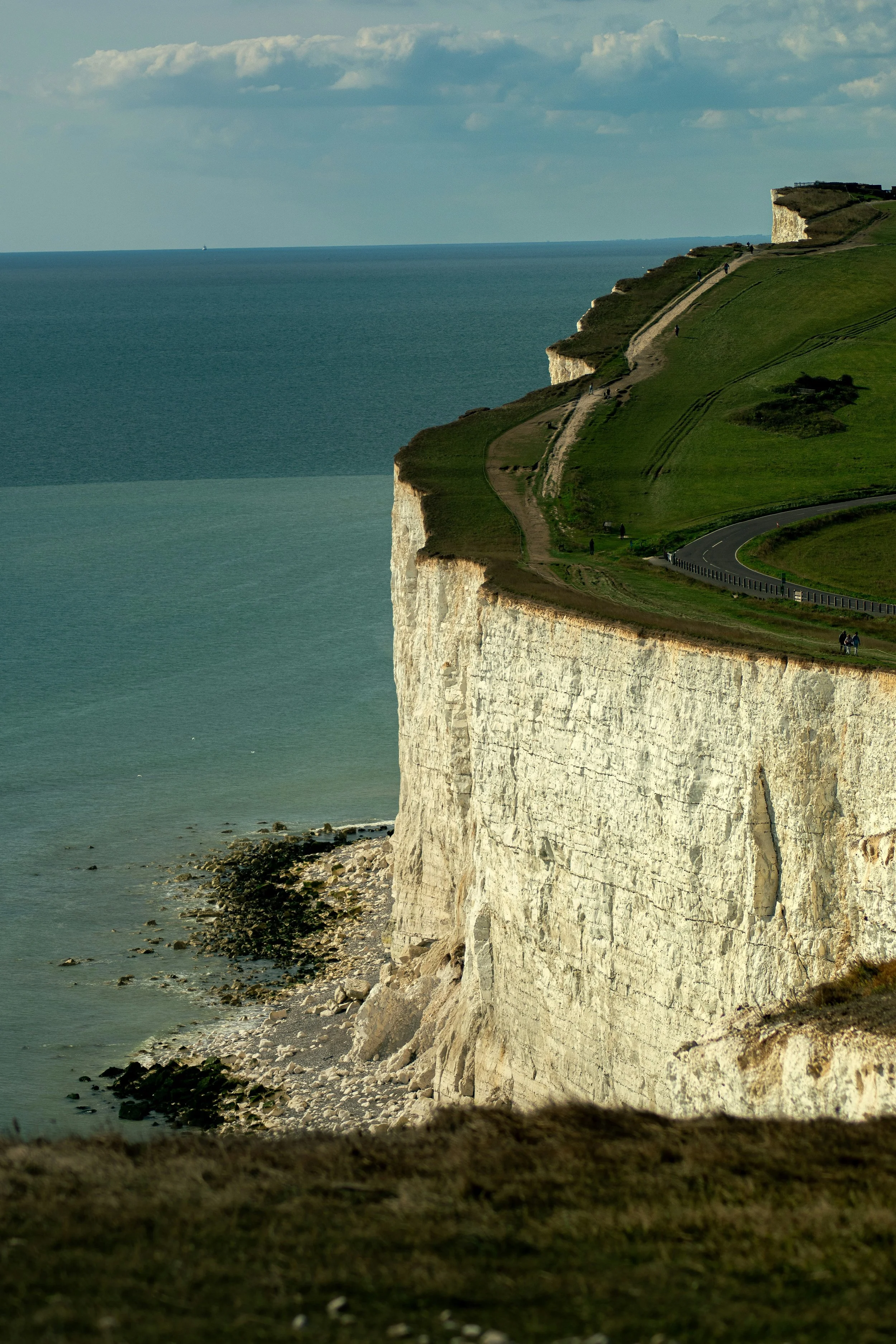
Most of East Sussex sits on chalk. It drains fast, it runs alkaline, and in places there is very little of it before you hit rock.
That rules some things out immediately. Rhododendrons, camellias, pieris and most hydrangeas want acid soil and will sit yellow and unhappy on chalk no matter how much is done to the planting hole. Every year somebody spends a lot of money learning this.
What chalk suits is a great deal more interesting than what it excludes. Bearded iris, eryngium, verbascum, cistus, lavender, rosemary, santolina, achillea and the ornamental grasses all do well on it. So do scabious, salvias and euphorbias. A chalk garden planted for chalk, rather than fought against, tends to look better in August than a heavily irrigated one on clay, and it needs far less water to get there.
Where topsoil is genuinely thin, raised planting and imported soil are options, but they are expensive and they need maintaining. Usually the better answer is to design with what is there.
The Four Towns
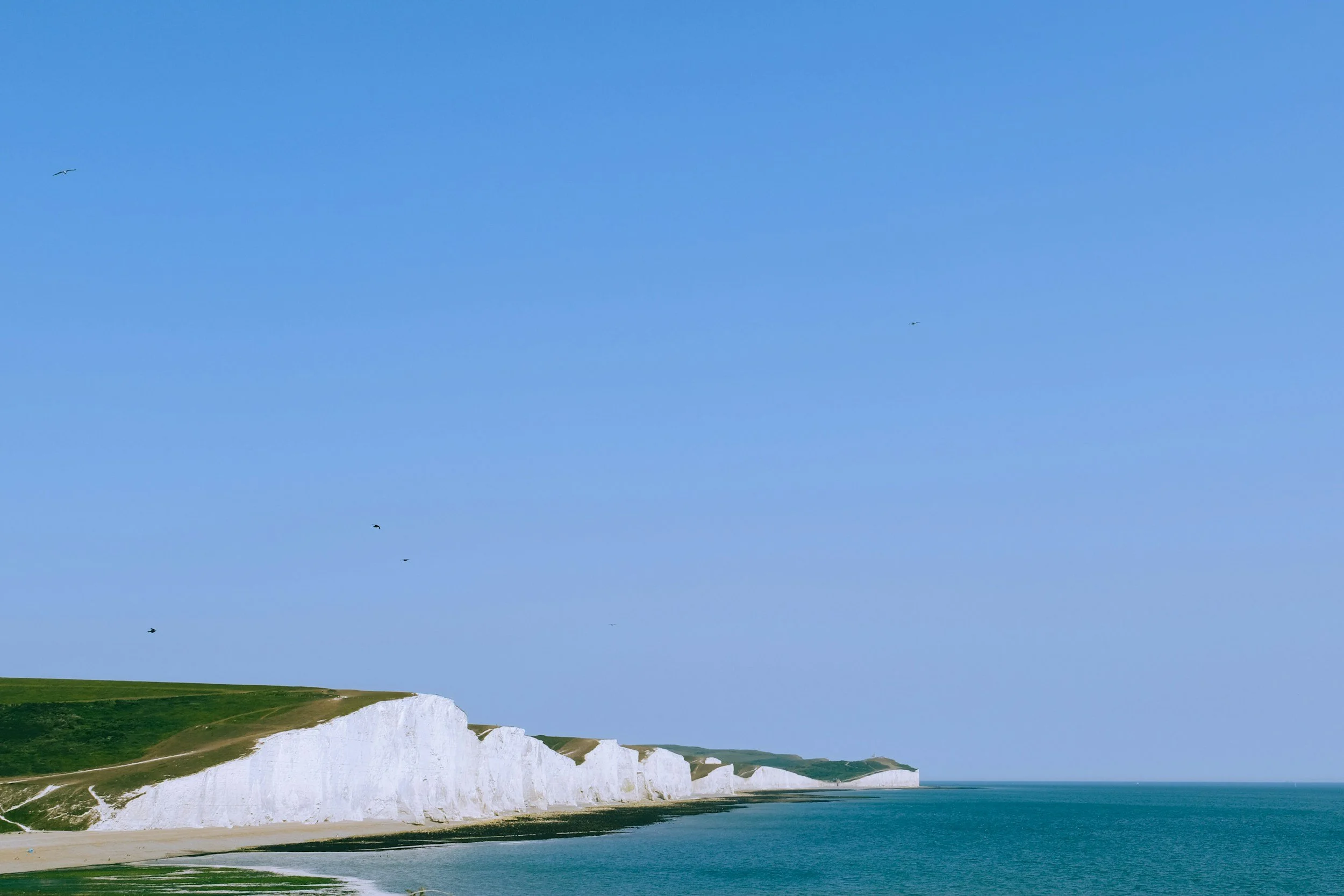
Home ground. Seaford gardens are chalk, they are exposed, and the south-westerlies come in off the Channel carrying salt that scorches anything not built for it.
Shelter is the first design problem in almost every Seaford garden. That does not mean a solid fence, which creates turbulence and often does more damage than it prevents. A permeable windbreak, whether hedging or slatted screen, filters the wind rather than fighting it. Griselinia, escallonia, elaeagnus and tamarisk all take coastal exposure and salt. Once shelter is established a surprising amount becomes possible in the lee of it.
Seaford Head and the cliffs give many gardens a long view. Framing it, rather than opening everything up to it, usually produces a better garden. A view you glimpse is a view you keep noticing.
Seaford
Lewes is the planning town. Much of the centre is a conservation area, the streets are steep, and there is a long history of flooding from the Ouse that still shapes what can be done with hard surfacing and levels.
Gardens here are often long, narrow and terraced into a slope, which is a design problem before it is a planting one. Getting the level changes right, and getting them to feel deliberate rather than imposed, is most of the work.
For anything requiring consent, whether an extension, a change of surfacing or work near a listed building, a chartered landscape architect's drawings carry weight that a sketch does not. Where a development affects existing neighbours, a co-design process that demonstrates genuine engagement can strengthen an application considerably.
Lewes
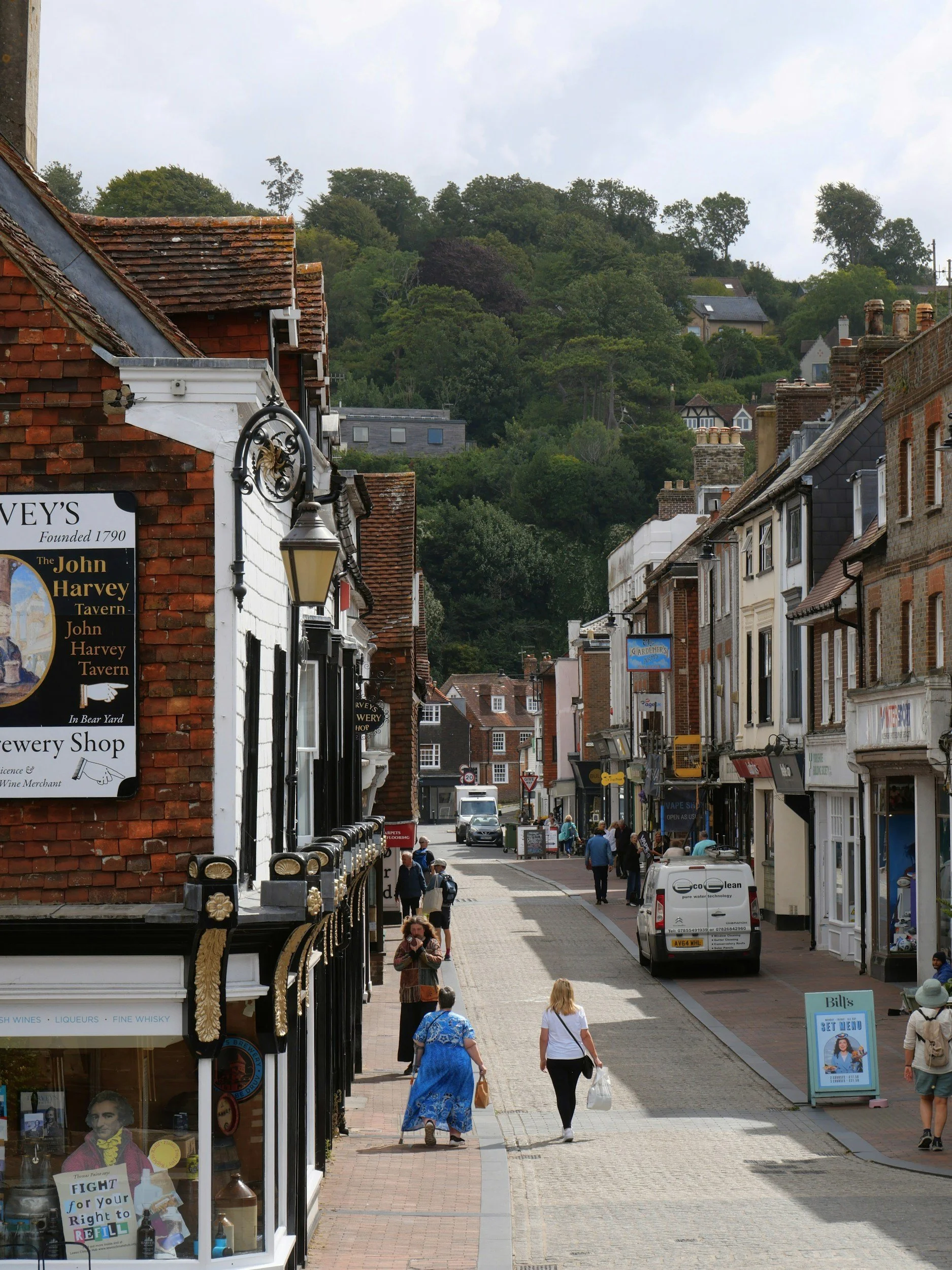
Eastbourne runs from a Victorian seafront up to the downland behind Beachy Head, and the gardens change completely across that distance. Seafront properties face the same salt and exposure as Seaford. Move a mile inland and the shelter of the downs opens up planting that would not survive on the front.
The town has a large stock of Victorian and Edwardian houses with gardens that were laid out for a way of living nobody has now. Reworking one of those, keeping the bones and the mature trees while making it work for a family in 2026, is some of the most satisfying work we do.
Eastbourne
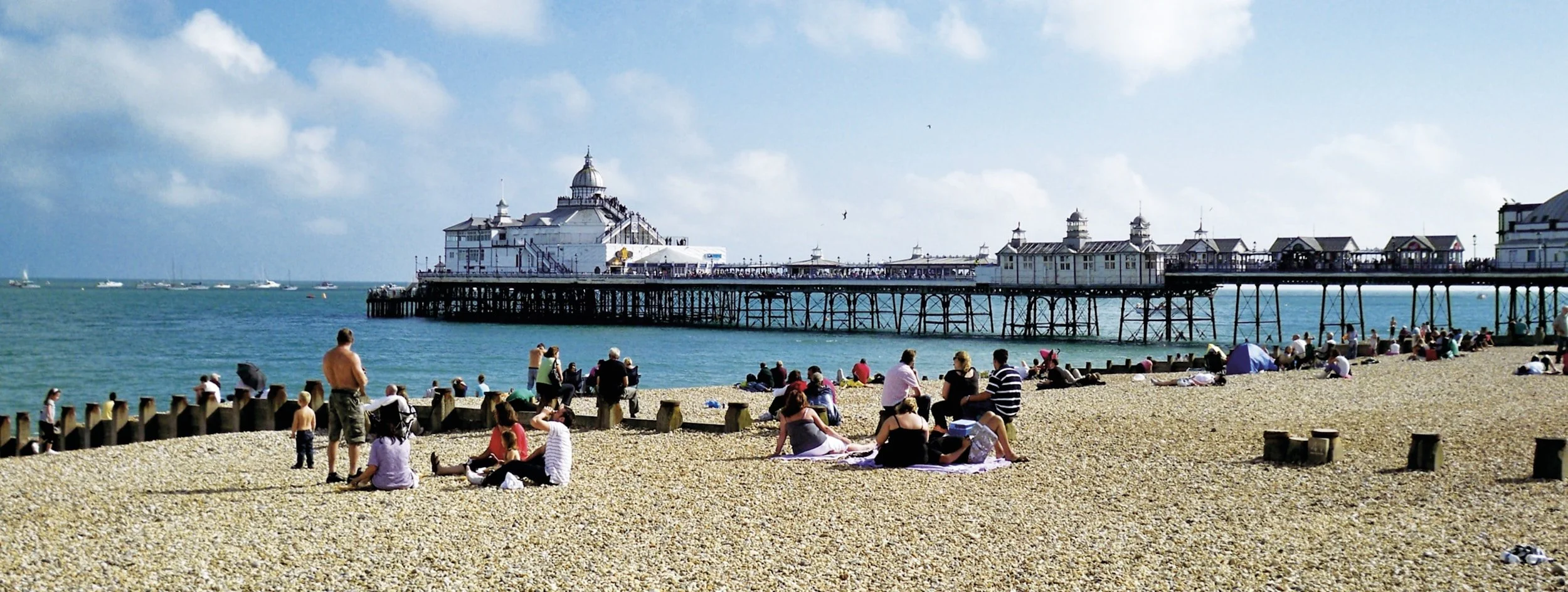
Brighton is the tight-space problem. Regency terraces and Victorian townhouses with courtyards measured in single-figure metres, overlooked on three sides, often north-facing and permanently in shadow.
Small does not mean simple. A courtyard has nowhere to hide a mistake, and every material choice is read at close range. These gardens live or die on proportion, on getting the vertical planes working as hard as the floor, and on choosing plants that genuinely tolerate low light rather than merely surviving it.
North of the seafront the plots get larger and the brief changes again, towards family gardens and the sort of space that has to absorb bikes, trampolines and a decent-sized table without looking like a compromise.
Brighton and Hove
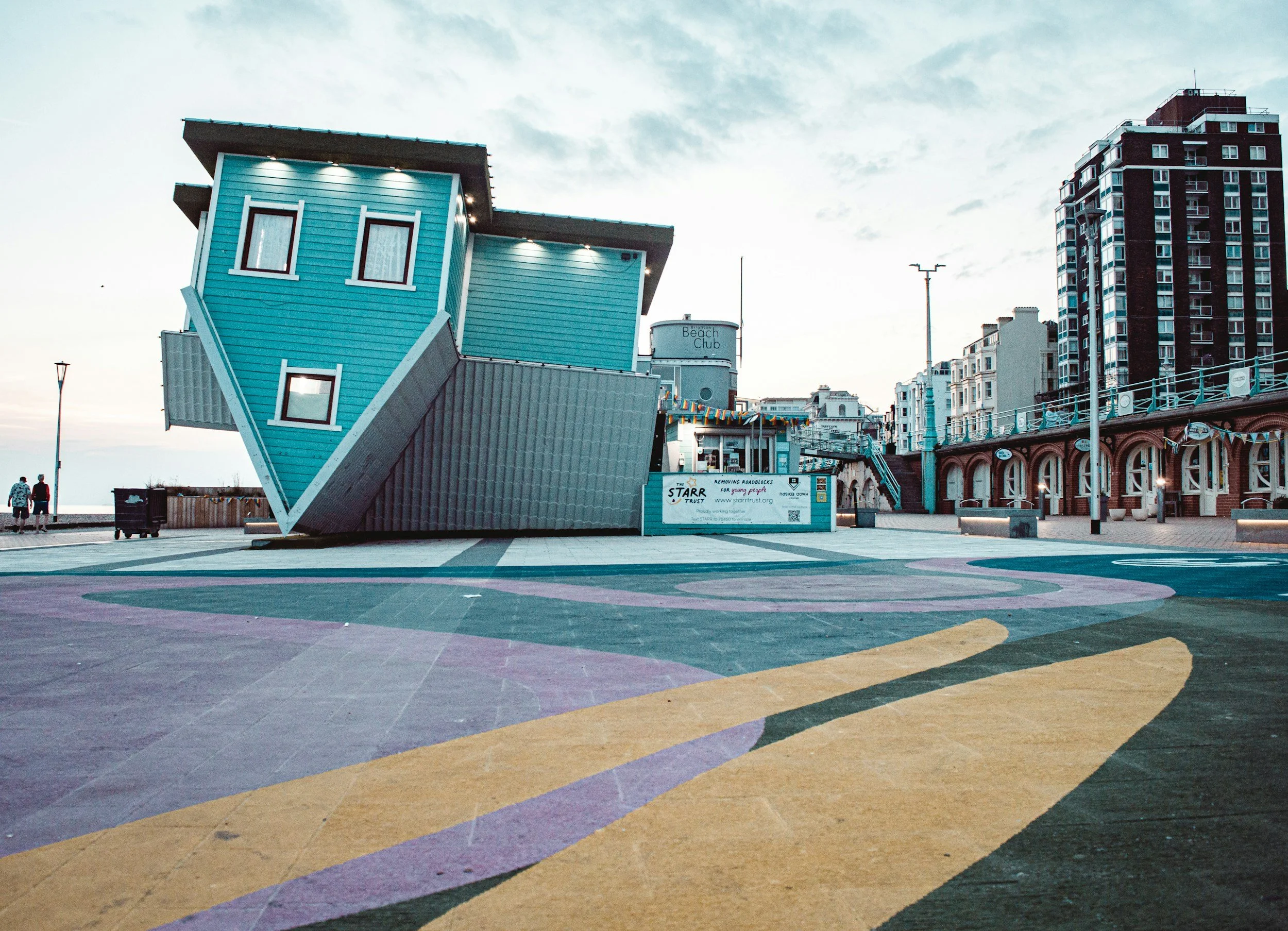
The South Downs National Park
A large part of East Sussex falls inside the South Downs National Park, and planning within it is more demanding than outside. Landscape and visual impact carry real weight in decisions, and applications benefit from being able to demonstrate how a scheme sits within its setting rather than merely asserting that it does.
For developers and architects working in the Park, that is the case for bringing a landscape architect in at concept stage rather than at submission. A landscape strategy written after a scheme is fixed can only defend it. One written alongside can shape it into something more likely to be approved.
What we do across the county
For homeowners, bespoke garden design from first consultation through to construction support: concept design with mood boards and material palettes, then detailed drawings, specifications and full planting plans.
For developers, architects and planners, chartered landscape architecture across RIBA stages 1 to 6. Site analysis, landscape strategies, general arrangement drawings, planting schedules and the landscape material that supports a planning submission, including Design and Access Statements.
For communities and organisations, co-design. Building shared spaces with the people who will use them rather than for them, using a framework developed through Landscape Institute award-funded research across Europe.
Alongside those, specialist work in sensory and accessible garden design, natural play and play area design, school and outdoor learning landscapes, and public realm.
Working with SEVEN
The first conversation is free and carries no obligation. It covers the space, what is wanted from it, and whether we are the right practice for the job. If we are, a detailed fee proposal follows.
We work across Seaford, Lewes, Eastbourne, Brighton and the wider Sussex area.